Respect. protect. take action.
Sharks play a key role in the natural, social, and economic systems of our planet. Climate change, food security, sustainable fisheries, biodiversity, and sustainable economies depend on functioning ocean ecosystems. A healthy ocean needs abundant and healthy shark populations. During the past decades, sharks have been decimated on a global scale. Devastating fishing practices continue, and decision-makers seem unwilling to take significant steps to change this trajectory. This is due to a lack of awareness and strong influences working to keep industrial fishing, the shark fin trade, and trophy hunting empowered and unhindered. We have made progress in recent years, but to avoid stagnation, we must ramp up our efforts. It has come to the point where we must ask ourselves:
How do we create a future WITH sharks?
Interconnected strategies
Sharks are not an easy animal to defend or advocate for. To move shark advocacy forward, we have to face the complexity of how policy is shaped, how the public perceives the issues, and how conservation aligns with economic benefits. The work can be divided into basic sectors:
-
Representing Sharks
To raise the profile of urgent issues and fight for effective solutions.

-
The True Value of Sharks
The high financial value sharks contribute to economies and society.

-
Governance of sharks
Propose fundamental changes in management and policy.

-
Protecting Shark Habitats
Increase protected areas where shark populations have a chance to recover.

-
Build New Momentum
Activate new stakeholders, and build public support for shark conservation

CURRENT CAMPAIGNS

Presented as separate actions, the current bills and proposals in progress are interconnected. The demand to increase shark catches because “there are too many sharks”, to kill shark eco-tourism businesses, and to cull sharks to help sport fishermen are all elements of one movement - to hunt sharks. And its source seems to be in Florida.
A triple assault on sharks in the U.s.
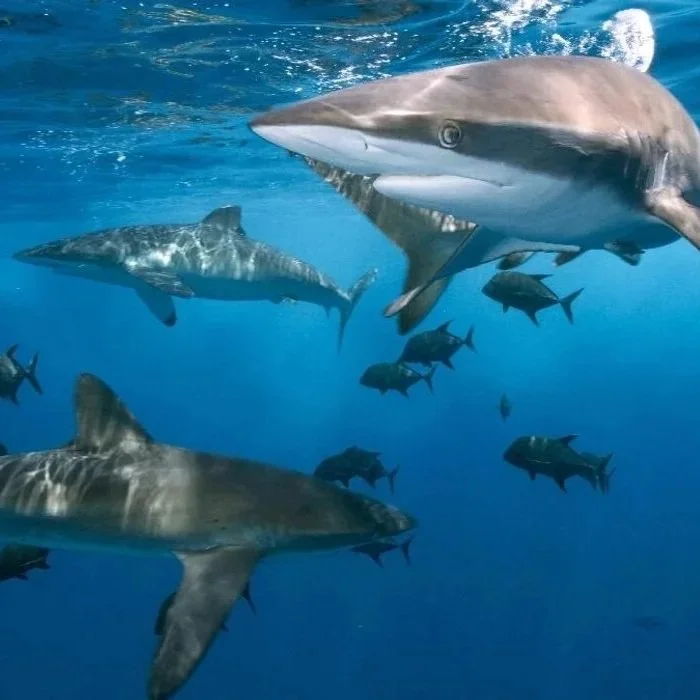
Shark tours in Florida are in danger of being shut down
Whether you agree or disagree with how shark tours are conducted, the fact that the fisheries lobby is trying to pull a fast one should alarm everybody! Making sweeping changes with the insertion of a few words in the federal Fisheries Act (MSA) and calling it non-controversial is appalling and something our representatives should not allow. The double standard of favoring shark fishing over shark viewing, in the name of safety, is a manipulation tactic. People who like to see sharks are a thorn in the side of the fishing industry, who want to take back the exclusive right to do as they please out in the ocean. Sharks, and people that want to protect them, stand in the way of that goal.
Read this article on “Poblete Dispatches” to learn about the convoluted way this bill was introduced and traveled without consultation through the House of Representatives.
And this Sierra Club Article: “What’s Behind Florida’s Push to Ban Shark Feeding”
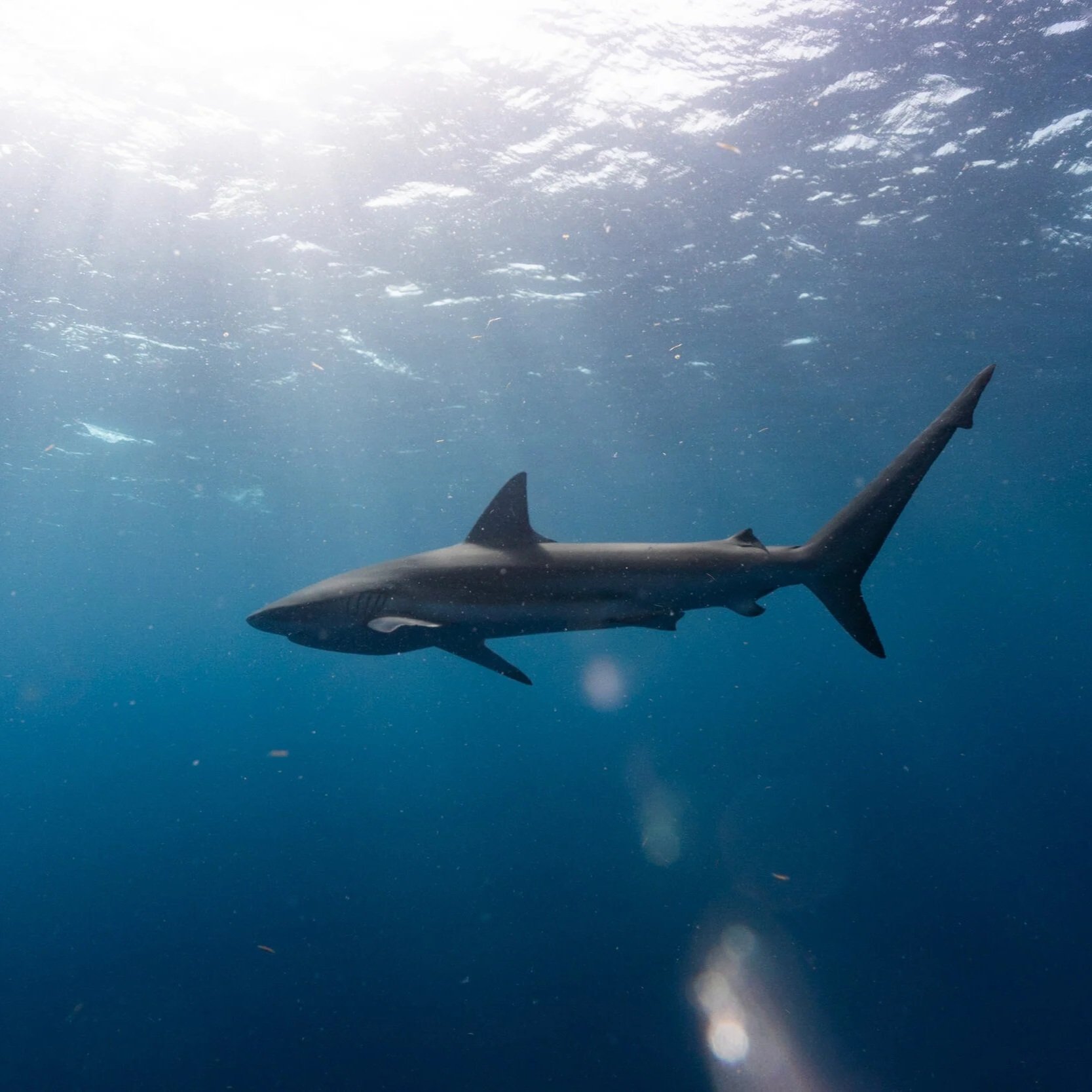

Calculate the economic impact of SHARKS
Financial valuations demonstrate the economic power of live sharks, in contrast to the one-time gain of extractive industries.
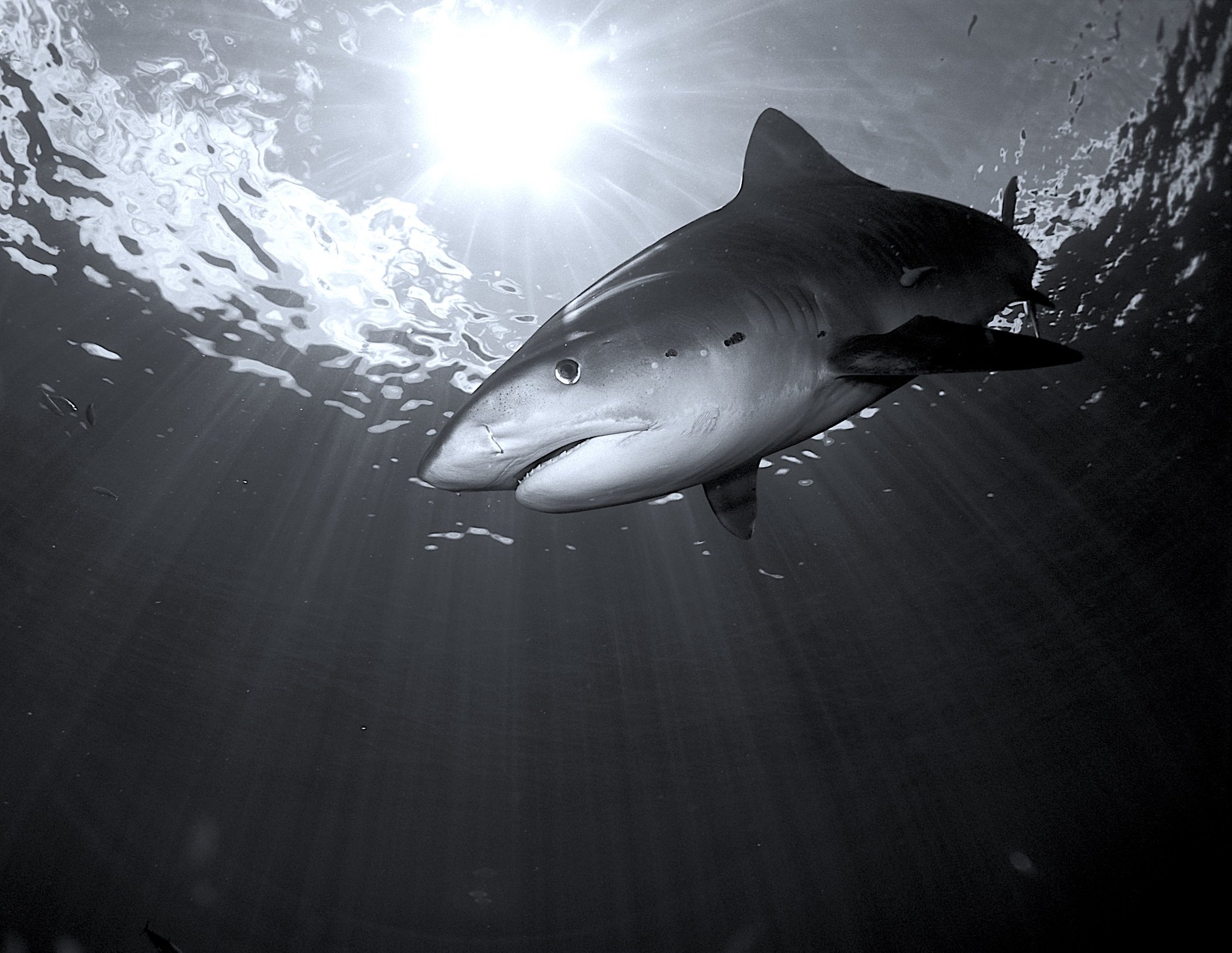
End the decimation of White Sharks in South Africa
For years, we have been hearing about shark nets and drumlines that are being used along South Africa’s coastline, wreaking havoc on wildlife. The government has increased the number of long-line tuna permits with an allowable bycatch of sharks. The decimation of White sharks is alarming - meanwhile, the public is told that orcas are to blame. We are joining South African advocacy groups to take action and change this tragic trajectory.
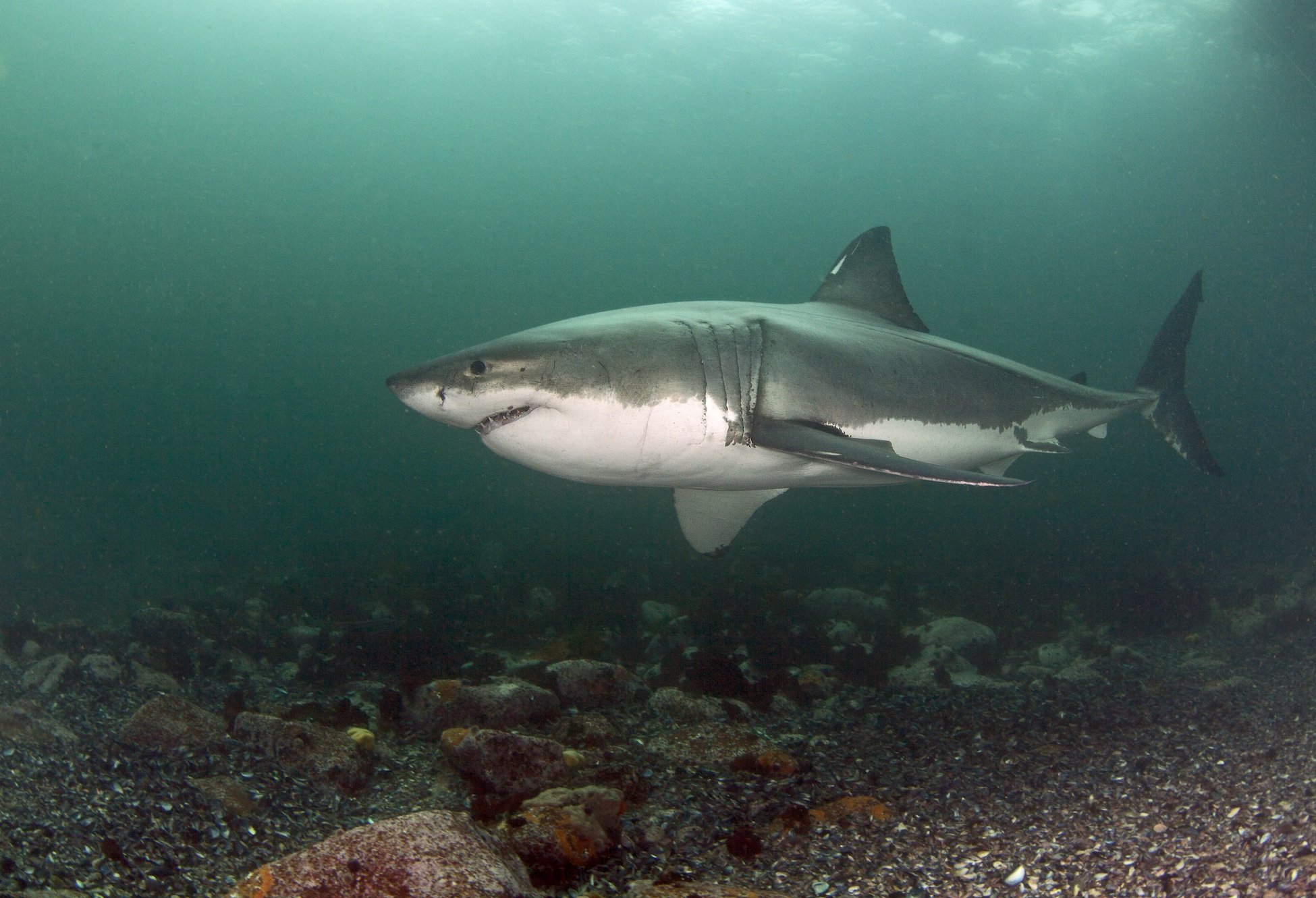

stop fins eu
It’s time for the European Union to take its member states out of the Fin Trade. Together with a coalition of European Shark and Ocean conservation Groups, we are moving a proposal through the slow quagmire of the European Union’s legislative process.
Shark Allies joins a coalition of groups to advocate for sharks in Brussels, to advance a proposal to ban the trade of shark fins in the EU.

IMPORTANT NEWS
EU campaign update:
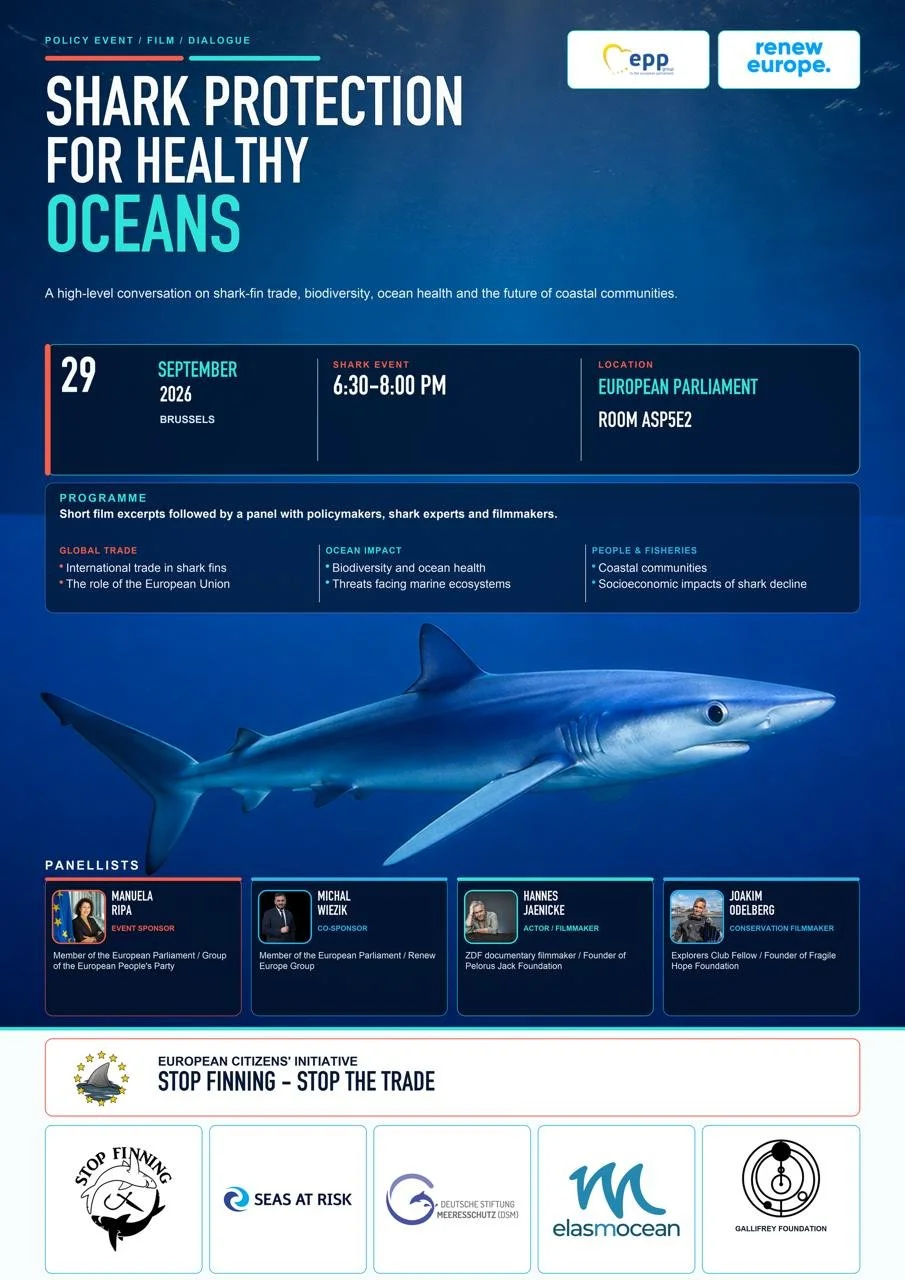
Policy Event at the EU Parliament: Shark Protection for Healthy Oceans
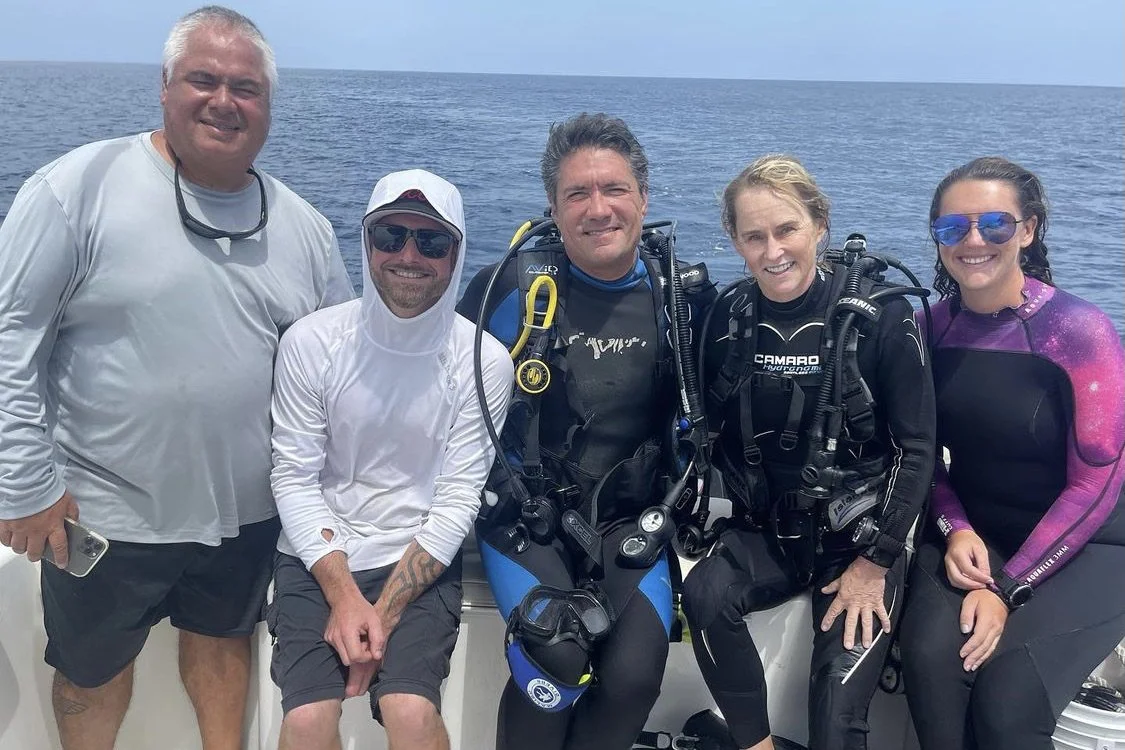
Shark Allies is proud to have been part of an important event during Ocean Week, held at the European Parliament in Brussels, Belgium. Hosted by MEP Manuela Ripa (EPP) and co-hosted by Michal Wiezik (RENEW), “Shark Protection for Healthy Oceans” was a presentation and panel discussion with policymakers, shark experts, and famous filmmakers who have traveled the globe documenting the demise of sharks. The event was organized by the “ECI Stop Finning - Stop the Trade” (@StopFinningEU) and partner organizations StopFinning, Seas At Risk, Deutsche Stiftung Meeresschutz, Elasmocean, and Gallifrey Foundation. Shark Allies founder, Stefanie Brendl, moderated the panel discussion.
Featured guests were filmmakers Joakim Odelberg from Sweden and Hannes Jaenicke from Germany.
The program focused on the critical impacts of the international shark fin trade on biodiversity and ocean health, the EU’s role in this trade, and the socioeconomic impacts on coastal communities and fisheries resulting from declining shark populations and the threats marine ecosystems are experiencing.

Congratulations to our 2026 scholarship awardees!
Amber Pineda, Ella Escano, Ale'a Duenas, Jaedene Cabrera, Nico Ubaldo, and Sage Uchel
Through their essays, these recipients shared a genuine passion for our marine environment, service to their communities, and a desire to make a difference.
Since its inception in 2018, the Scholarship has awarded nearly $100,000 to local students pursuing careers in environmental and marine sciences. It is made possible through the partnership of the UOG (University of Guam) Endowment Foundation and Shark Allies. The scholarship honors the work of Jimmy Hall in the fields of shark education and marine preservation. It recognizes students who demonstrate more than academic promise.
“More Like Jimmy” Scholarship 2026 recipients
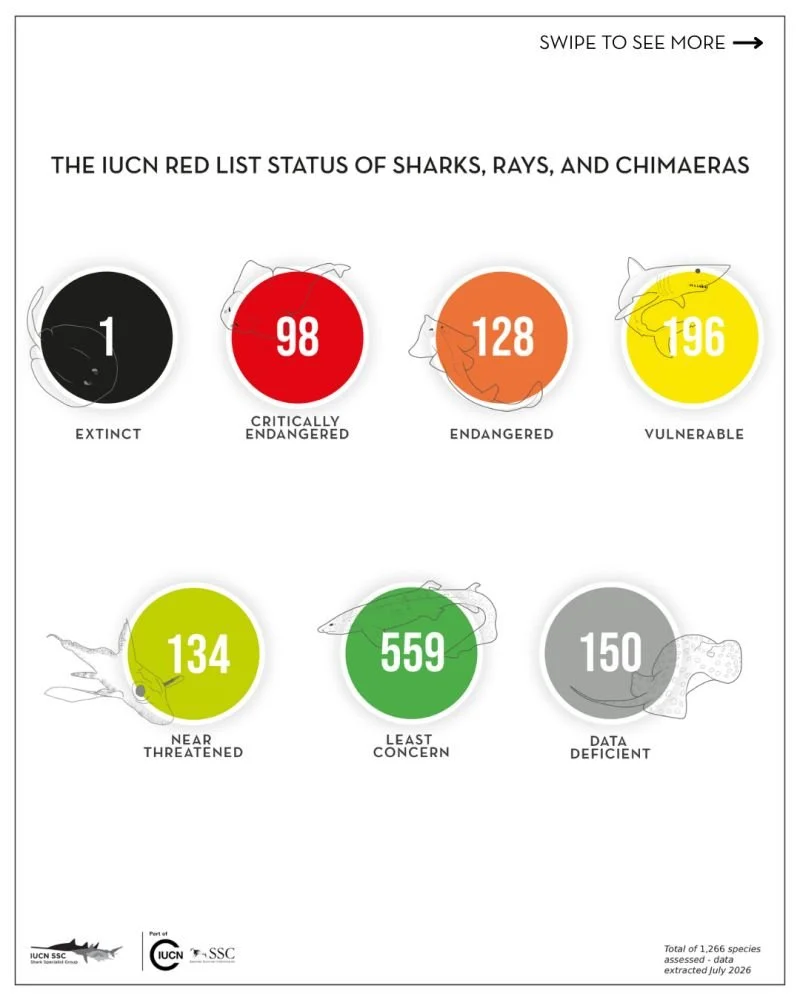
IUCN Red List of Threatened Species Update:
The IUCN Red List of Threatened Species has been updated, and it now lists 1,266 species assessments of sharks, rays, and chimaeras. The IUCN Red List is the world’s most comprehensive information source on the global extinction risk status of animal, fungus, and plant species. It is a critical indicator of the health of the world’s biodiversity. Currently, there are more than 175,000 species listed.
As the Red List Authority for sharks, rays, and chimaeras, the IUCN SSC Shark Specialist Group oversees the assessment of the extinction risk of species against the IUCN Red List Categories and Criteria.
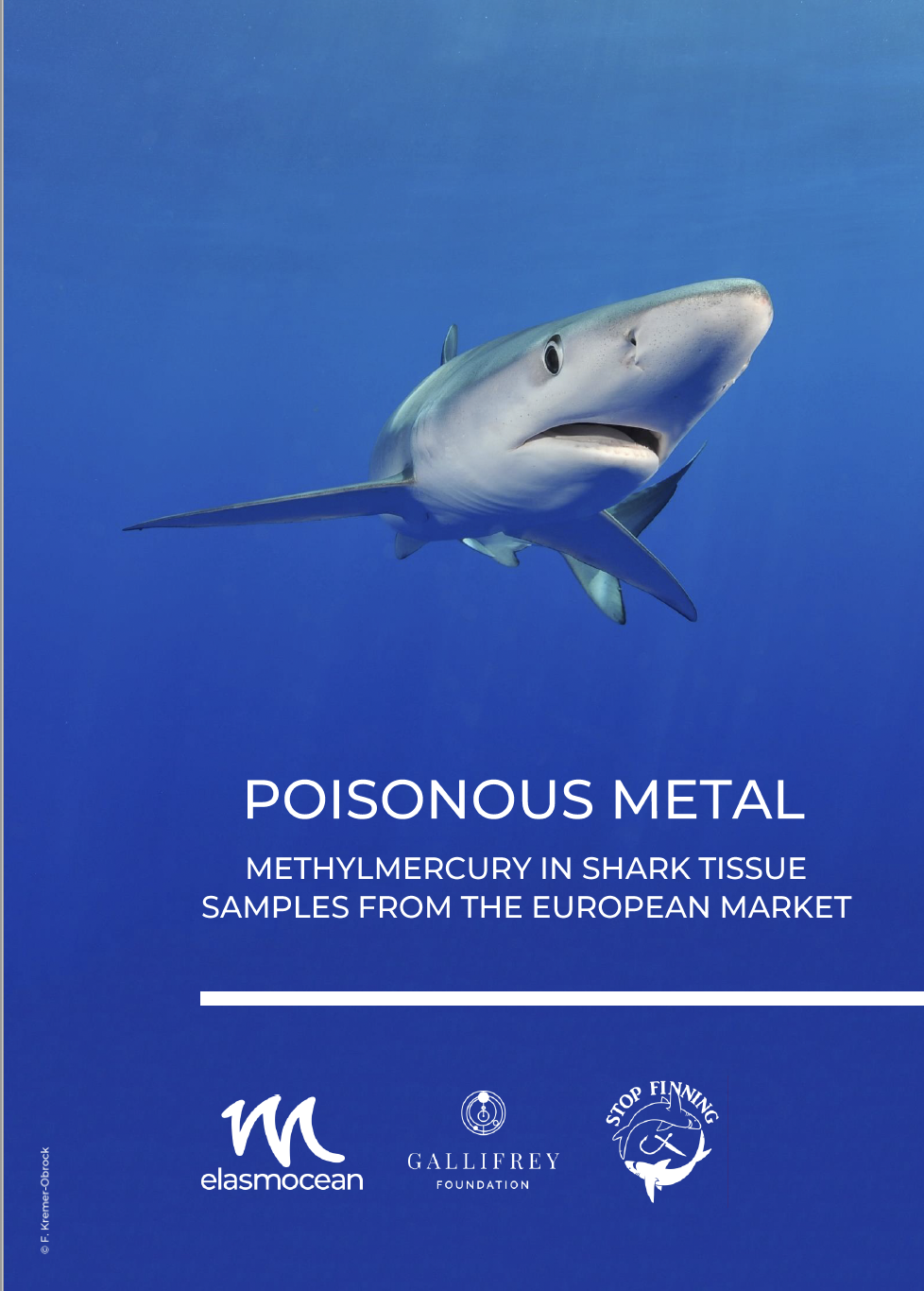
new Shark Meat report:
This new study presents the results of sample testing of shark meat across European markets. It was published in October 2025 by the organizations ElasmOcean, Gallifrey Foundation (Switzerland), and Stop Finning Germany.
It sends a clear message: "Shark meat is heavily polluted and should not be consumed”.
Why does this matter to Shark conservation? Because the shark meat market is used as a justification to keep selling fins; the excuse is that nothing of the shark should be wasted. The truth is that the meat trade would not be profitable without the fin trade. The result is that governments support an unhealthy product (shark meat), to keep up a devastating trade (shark fins), because they are told it’s an important part of the fishing economy. And the global shark meat market is growing every year.
This insanity is decimating sharks globally. To read more about these topics, check out our section on overfishing and Bycatch and the trade of shark fins.
Find the full report and many other great Dossiers produced by ElasmOcean HERE